In the Southern U.S., high humidity, frequent rain, and warm temperatures create the perfect conditions for mold and mildew growth—especially in bathrooms. States like North Carolina, Alabama, Georgia, and Florida experience long humid seasons, making moisture control a top priority during any bathroom renovation.
If you’re planning a remodel, prevention should start before the first tile is installed. Here’s a comprehensive guide to keeping your new bathroom mold-free for years to come.
Why Southern Bathrooms Are More Vulnerable
Bathrooms naturally generate moisture from showers, baths, and sinks. In Southern climates, the outside air is already humid, so moisture lingers longer indoors. Without proper ventilation and moisture-resistant materials, mold spores can begin growing within 24–48 hours.
Common problem areas include:
- Ceiling corners
- Shower grout lines
- Behind vanities
- Around tubs and toilets
- Inside wall cavities
1. Install Proper Ventilation Systems
Ventilation is the most important defense against mold.
What Southern Homes Need:
- An exhaust fan properly sized for the bathroom (measured in CFM)
- Venting directed outside (never into the attic)
- Humidity-sensing or timer-controlled fans
- Running the fan for at least 20 minutes after showers
In high-humidity states, upgrading to a more powerful fan during renovation is often worth the investment.
2. Use Mold-Resistant Building Materials
Material selection plays a huge role in long-term durability.
Smart Material Choices:
- Cement board instead of regular drywall in wet areas
- Mold-resistant (green board) drywall for ceilings
- Waterproof membranes behind tile
- Epoxy grout instead of cement-based grout
- Silicone (not latex) caulking
These materials are designed to withstand constant exposure to moisture and humidity.
3. Choose the Right Paint and Finishes
Standard paint often fails in humid bathrooms.
Best Practices:
- Use bathroom-specific, mildew-resistant paint
- Apply high-quality primer
- Choose satin or semi-gloss finishes for better moisture resistance
- Allow proper drying time before exposing surfaces to steam
Proper surface preparation is just as important as the paint itself.
4. Upgrade Shower and Waterproofing Systems
Waterproofing failures are a major cause of hidden mold.
Consider:
- Full waterproof membrane systems
- Properly sloped shower pans
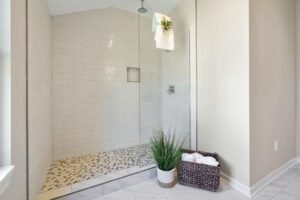
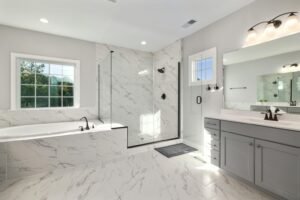
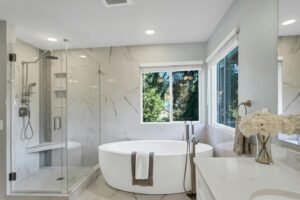
- Frameless glass enclosures to reduce water spray
- Large-format tiles to minimize grout lines
Less exposed grout means fewer areas for mold to develop.
5. Improve Air Circulation
Even with an exhaust fan, air movement matters.
- Leave bathroom doors open after showers (when possible)
- Install transom windows or operable windows
- Consider ceiling fans in larger bathrooms
- Use a small dehumidifier in extremely damp homes
Whole-home dehumidifiers are especially helpful in states like Florida and Alabama where humidity levels stay high year-round.
6. Seal and Maintain Regularly
Renovation is only the first step—maintenance keeps mold away long-term.
Ongoing Prevention:
- Re-seal grout annually
- Inspect caulking every 6–12 months
- Clean surfaces with non-bleach mold-control solutions
- Wipe down shower walls after heavy use
Routine inspections help catch small issues before they become expensive repairs.
7. Check for Hidden Moisture Sources
Sometimes mold problems are caused by issues outside the bathroom itself.
Before or during renovation, inspect for:
- Plumbing leaks
- Roof leaks
- Poor attic ventilation
- Damaged insulation
- Cracks around windows
Southern storms and heavy rainfall can contribute to hidden moisture intrusion.
Final Thoughts
Bathroom renovations in Southern states require more than style upgrades—they demand a moisture-control strategy. High humidity levels in regions like North Carolina, Alabama, Georgia, and Florida mean that mold prevention must be built into the design from the beginning.
By investing in proper ventilation, moisture-resistant materials, and professional waterproofing systems, homeowners can protect their remodel from costly mold and mildew damage.
A well-designed bathroom renovation in the South should not only look beautiful—but stay clean, dry, and healthy for years to come.