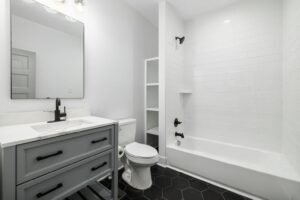
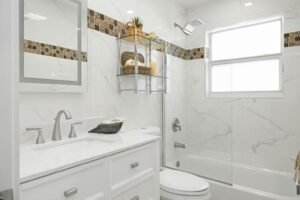
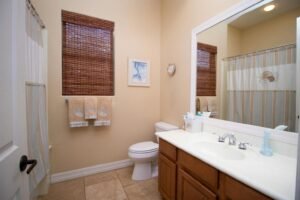
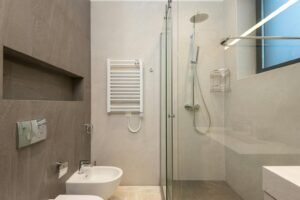
Bathrooms are one of the most moisture-prone areas in any home. Constant exposure to water, humidity, and temperature changes can affect the durability of materials used in bathroom construction and remodeling. Choosing the right materials is essential to ensure the space remains functional, attractive, and long-lasting, especially in regions where climates can vary throughout the year.
Understanding which materials perform best in humid and changing environments can help homeowners create bathrooms that are both durable and easy to maintain.
Why Moisture-Resistant Materials Matter
Bathrooms experience frequent contact with water from showers, sinks, and humidity produced during daily use. Without proper materials, surfaces can become damaged over time, leading to issues such as mold growth, warping, or deterioration.
Moisture-resistant materials help protect the structure of the bathroom and reduce long-term maintenance costs while maintaining a clean and comfortable space.
Durable Flooring Options
Bathroom flooring should be able to withstand both water exposure and temperature changes. Popular choices include porcelain tile, ceramic tile, and waterproof vinyl flooring.
Porcelain and ceramic tiles are known for their durability and resistance to moisture, making them reliable choices for bathroom floors. Waterproof vinyl flooring is also gaining popularity because it offers durability, comfort, and easier installation.
Water-Resistant Wall Materials
Bathroom walls must handle frequent exposure to moisture, particularly around showers and bathtubs. Materials such as ceramic tiles, acrylic panels, and fiberglass wall systems provide strong protection against water damage.
These materials are designed to resist moisture penetration while also making cleaning and maintenance easier for homeowners.
Moisture-Resistant Cabinetry and Storage
Cabinets and storage areas in bathrooms should be made from materials that resist humidity and prevent warping. Options such as moisture-resistant MDF, solid wood with protective finishes, and PVC cabinetry can provide both durability and style.
Proper ventilation and sealed finishes can also help extend the life of bathroom furniture.
Countertops Built for Durability
Bathroom countertops should be able to withstand moisture, daily use, and occasional spills. Materials such as quartz, granite, and solid surface countertops are often recommended because they are durable and relatively easy to maintain.
Quartz countertops, in particular, are non-porous, which helps resist moisture and stains.
Improve Ventilation and Maintenance
Even the most durable materials benefit from proper ventilation and regular maintenance. Installing quality exhaust fans, maintaining good airflow, and wiping down wet surfaces can help prevent long-term moisture damage.
Combining durable materials with proper care helps extend the life of the bathroom and maintain its appearance over time.
Final Thoughts
Selecting the right materials is one of the most important decisions in a bathroom renovation. In humid and changing environments, durable and moisture-resistant materials help protect the space from water damage, mold, and wear.
By choosing reliable flooring, walls, cabinetry, and countertops designed to handle moisture, homeowners can create a bathroom that remains functional, attractive, and long-lasting for years to come.