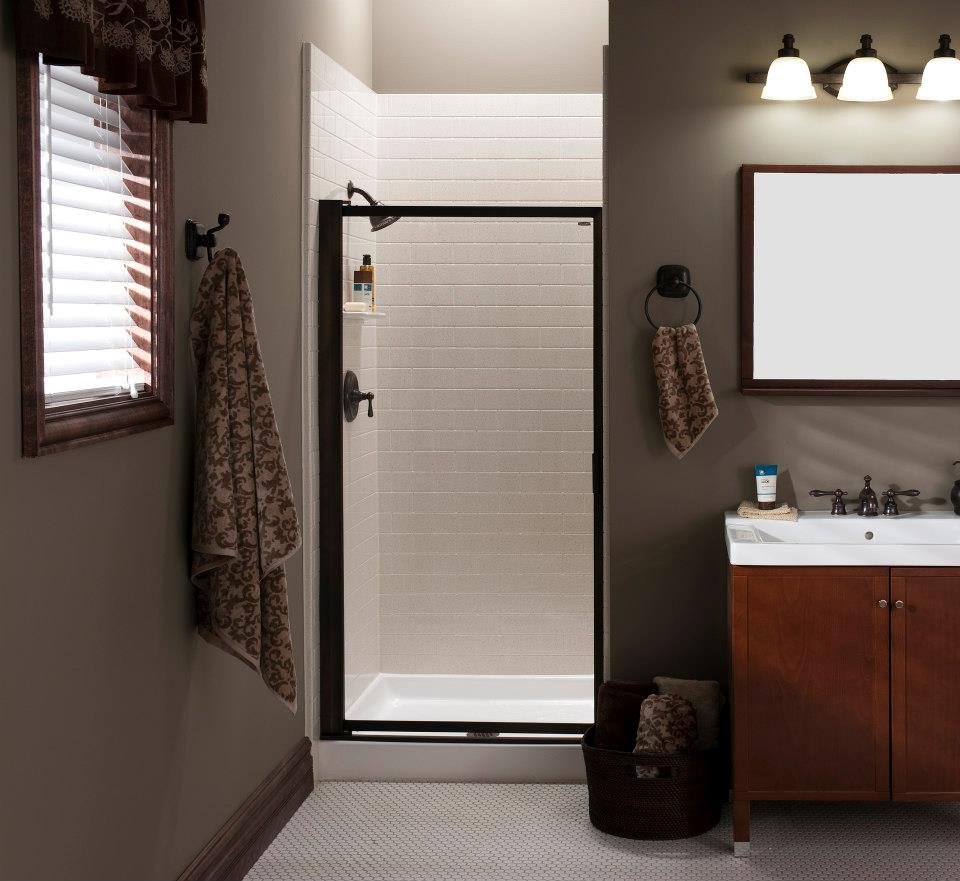
How High Humidity Impacts Bathroom Remodeling in North Carolina and Alabama Homes
High humidity is a fact of life in the Southeast—especially in states like North Carolina and Alabama. While warm weather and lush landscapes are part of the charm, excess moisture in the air can create serious challenges during and after a bathroom remodel.
If you’re planning a renovation, understanding how humidity affects materials, ventilation, and long-term durability is critical. Below is a practical guide to help homeowners make smart remodeling decisions in high-humidity environments.
Why Humidity Is a Major Factor in Southern Bathrooms
Bathrooms naturally generate moisture from showers, baths, and sinks. In humid states like North Carolina and Alabama, that moisture doesn’t evaporate quickly because the surrounding air is already saturated.
This leads to:
- Persistent damp surfaces
- Mold and mildew growth
- Warped cabinetry
- Peeling paint
- Tile grout deterioration
- Musty odors
Without proper planning, even a beautifully remodeled bathroom can develop issues within a few years.
1. Mold and Mildew Growth After Remodeling
High humidity significantly increases the risk of mold and mildew, especially in enclosed bathroom spaces.
Where Mold Commonly Appears:
- Around shower tiles and grout
- On ceilings and corners
- Behind vanities
- Under sinks
- Around poorly sealed tubs
Remodeling Tip:
Use mold-resistant drywall (green board or cement board in wet zones), antimicrobial paint, and high-quality silicone sealants. Always choose moisture-rated materials for subflooring and backing boards.
2. Warped Cabinets and Swollen Wood
Wood absorbs moisture from the air. In high-humidity regions, this can cause:
- Cabinet doors that won’t close properly
- Swollen drawer fronts
- Peeling veneers
- Cracked finishes
Better Material Choices:
- PVC or thermofoil cabinets
- Marine-grade plywood
- Solid wood with proper sealing
- Moisture-resistant MDF
If you prefer real wood for aesthetic reasons, ensure it is properly sealed on all sides—not just the visible surfaces.
3. Ventilation Is Not Optional — It’s Essential
In North Carolina and Alabama homes, proper ventilation can make or break your remodel.
What You Need:
- A properly sized exhaust fan (measured in CFM)
- Venting to the exterior (not into the attic)
- A humidity-sensing or timer-controlled fan
- At least 20 minutes of fan use after showers
Without ventilation, moisture gets trapped inside walls and ceilings—leading to structural damage over time.
4. Paint and Finish Failures
Humidity slows down drying times and weakens adhesion. If surfaces are not properly prepared during remodeling, you may see:
- Peeling paint
- Bubbling finishes
- Flaking ceiling coatings
Smart Solutions:
- Use bathroom-specific, moisture-resistant paint
- Apply high-quality primer
- Allow full curing time before exposure to steam
- Consider semi-gloss or satin finishes for durability
5. Tile and Grout Deterioration
Humidity affects grout more than tile. Traditional cement grout absorbs moisture, leading to discoloration and mold growth.
Better Remodeling Options:
- Epoxy grout (water-resistant and mold-resistant)
- Porcelain tile (less porous than ceramic)
- Large-format tiles (fewer grout lines)
Sealing grout regularly is especially important in humid climates.
6. Flooring Problems in Damp Conditions
Some flooring materials simply don’t perform well in humid Southern homes.
Avoid:
- Standard hardwood
- Low-quality laminate
- Carpet (in bathrooms especially)
Choose Instead:
- Porcelain tile
- Luxury vinyl plank (LVP)
- Natural stone (properly sealed)
- Waterproof engineered flooring
These materials handle moisture fluctuations far better.
7. Hidden Structural Damage
Long-term humidity exposure can lead to:
- Subfloor rot
- Framing damage
- Insulation mold
- Drywall deterioration
Before remodeling, contractors in humid states should inspect:
- Subfloor condition
- Wall framing
- Venting pathways
- Existing moisture levels
Skipping this step can lead to costly repairs later.
8. Energy Efficiency and Dehumidification
In both North Carolina and Alabama, air conditioning plays a key role in moisture control.
During remodeling, consider:
- Upgrading insulation
- Adding a whole-home dehumidifier
- Improving attic ventilation
- Sealing air leaks
This helps maintain consistent indoor humidity levels and protects your investment.
Final Thoughts
Bathroom remodeling in high-humidity states like North Carolina and Alabama requires more than aesthetic upgrades. Moisture management must be part of the design from day one.
By choosing moisture-resistant materials, installing proper ventilation, and addressing structural concerns before remodeling, homeowners can ensure their new bathroom remains beautiful and functional for years to come.
If you’re planning a remodel in a humid Southern climate, work with professionals who understand local environmental challenges. A humidity-aware remodeling strategy will protect your home, your health, and your investment.