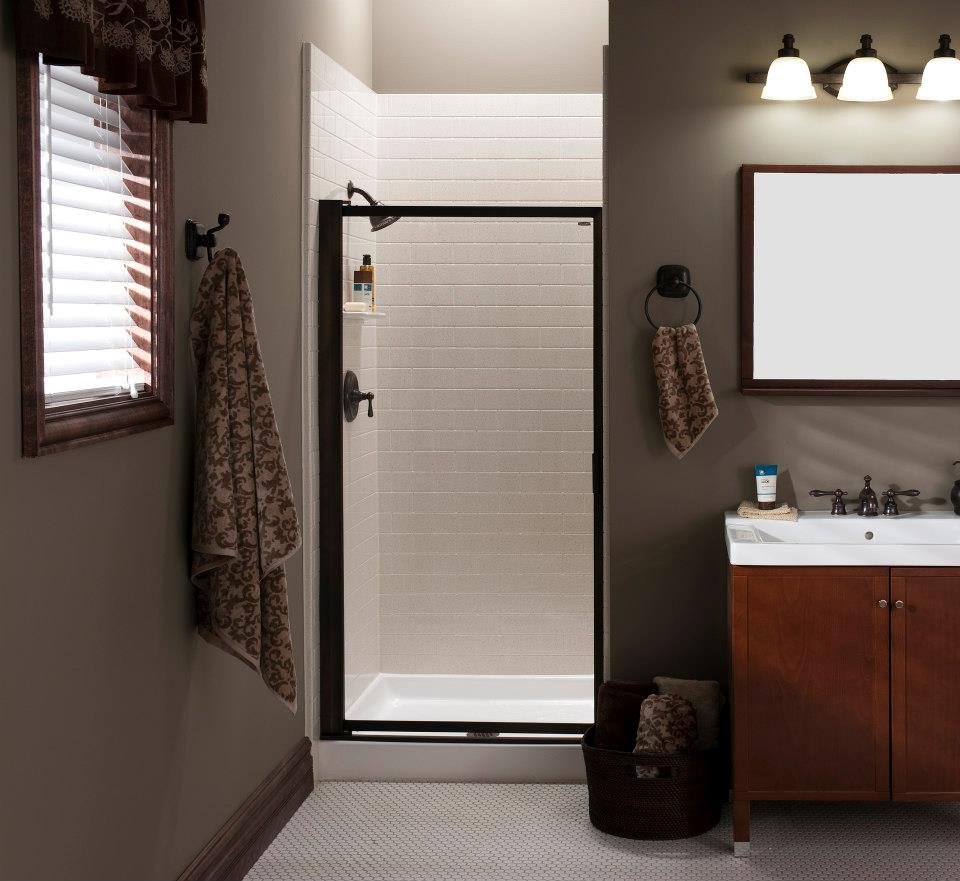
Choosing Durable, Water-Resistant Materials for Bathrooms in Changing Climates
As weather patterns become more unpredictable—with higher humidity in some regions and freezing temperatures in others—bathroom remodeling requires smarter material choices than ever before. Whether you live in humid states like North Carolina and Alabama or colder climates like South Dakota, your bathroom materials must withstand moisture, temperature shifts, and daily wear.
Here’s a practical guide to choosing long-lasting, water-resistant materials that perform well in changing climates.
1. Flooring: Built to Handle Moisture & Temperature Swings
Bathroom floors face constant moisture exposure and, in colder regions, temperature fluctuations.
Best Options:
✔ Porcelain Tile
- Extremely low water absorption
- Resistant to cracking in cold climates
- Durable and long-lasting
✔ Luxury Vinyl Plank (LVP)
- Waterproof core
- Warmer underfoot than tile
- Handles humidity changes well
✔ Sealed Natural Stone
- Elegant appearance
- Requires regular sealing
- Performs well if properly maintained
Avoid:
- Solid hardwood
- Low-grade laminate
- Carpet
2. Wall Systems: Waterproof from the Inside Out
Walls in wet zones must be fully waterproof—not just water-resistant.
Smart Choices:
Cement Board + Waterproof Membrane
Creates a durable barrier behind tile surfaces.
Large-Format Porcelain Tile
Fewer grout lines mean fewer moisture entry points.
Waterproof Wall Panels
Low maintenance and ideal for high-humidity areas.
In climates with both heat and freezing winters, proper wall preparation prevents long-term structural damage.
3. Cabinetry That Won’t Warp
Changing climates can cause wood to expand, contract, and warp.
Durable Options:
✔ PVC Cabinets – Completely moisture-proof
✔ Thermofoil Cabinets – Resistant to humidity
✔ Marine-Grade Plywood – Designed for high-moisture environments
If choosing solid wood, ensure all surfaces—including backs and bottoms—are sealed.
4. Countertops That Resist Water Damage
Bathroom counters must resist standing water and humidity.
Best Materials:
Quartz
- Non-porous
- Mold-resistant
- Low maintenance
Granite (Sealed)
- Durable
- Natural appearance
- Requires periodic sealing
Solid Surface Materials
- Seamless installation
- Easy to maintain
Avoid low-quality laminate in high-moisture environments, as it may swell over time.
5. Grout and Sealants: Small Details, Big Impact
Grout and caulking are often overlooked but play a huge role in moisture control.
Choose:
- Epoxy grout (waterproof and mold-resistant)
- 100% silicone caulk (not latex-based)
- Regular grout sealing schedule
These materials prevent moisture from penetrating behind walls and floors.
6. Paint and Finishes Designed for Humidity
Bathrooms in humid or fluctuating climates require specialized coatings.
Recommendations:
- Mildew-resistant paint
- Satin or semi-gloss finishes
- Moisture-resistant primer
These finishes help prevent peeling, bubbling, and discoloration.
7. Climate-Specific Considerations
In Humid Regions (NC, AL):
- Prioritize ventilation systems
- Choose mold-resistant materials
- Avoid porous surfaces
In Cold Climates (SD):
- Insulate behind walls
- Use crack-resistant tile
- Consider radiant floor heating
- Prevent condensation buildup
Material performance depends heavily on regional climate conditions.
Final Thoughts
Choosing durable, water-resistant materials is essential for bathrooms in changing climates. From flooring and cabinetry to grout and paint, every component must be selected with moisture and temperature fluctuations in mind.
Investing in high-quality materials may cost more upfront—but it significantly reduces long-term maintenance, mold risks, and repair expenses.
A well-planned bathroom built with climate-appropriate materials will remain beautiful, functional, and structurally sound—no matter what the weather brings.